

Company Overview
-
Posted Jobs 0
-
Viewed 23
-
Categories Information Technology Jobs
Company Description
NHS: The Family They Never Had
In the sterile corridors of Birmingham Women’s and Children’s NHS Foundation Trust, a young man named James Stokes moves with quiet purpose. His polished footwear move with deliberate precision as he greets colleagues—some by name, others with the comfortable currency of a “good morning.”
James wears his NHS lanyard not merely as institutional identification but as a declaration of acceptance. It hangs against a neatly presented outfit that offers no clue of the challenging road that preceded his arrival.
What separates James from many of his colleagues is not immediately apparent. His demeanor gives away nothing of the fact that he was among the first recruits of the NHS Universal Family Programme—an effort created purposefully for young people who have spent time in care.
“It felt like the NHS was putting its arm around me,” James says, his voice controlled but carrying undertones of feeling. His remark captures the heart of a programme that strives to transform how the enormous healthcare system views care leavers—those often overlooked young people aged 16-25 who have emerged from the care system.
The figures tell a troubling story. Care leavers frequently encounter higher rates of mental health issues, money troubles, accommodation difficulties, and lower academic success compared to their contemporaries. Behind these cold statistics are personal narratives of young people who have navigated a system that, despite genuine attempts, frequently fails in offering the stable base that shapes most young lives.
The NHS Universal Family Programme, established in January 2023 following NHS England’s promise to the Care Leaver Covenant, represents a significant change in systemic approach. At its core, it acknowledges that the entire state and civil society should function as a “collective parent” for those who have missed out on the constancy of a typical domestic environment.
Ten pioneering healthcare collectives across England have led the way, developing structures that reconceptualize how the NHS—one of Europe’s largest employers—can create pathways to care leavers.
The Programme is meticulous in its approach, starting from detailed evaluations of existing practices, creating management frameworks, and obtaining leadership support. It recognizes that successful integration requires more than lofty goals—it demands tangible actions.
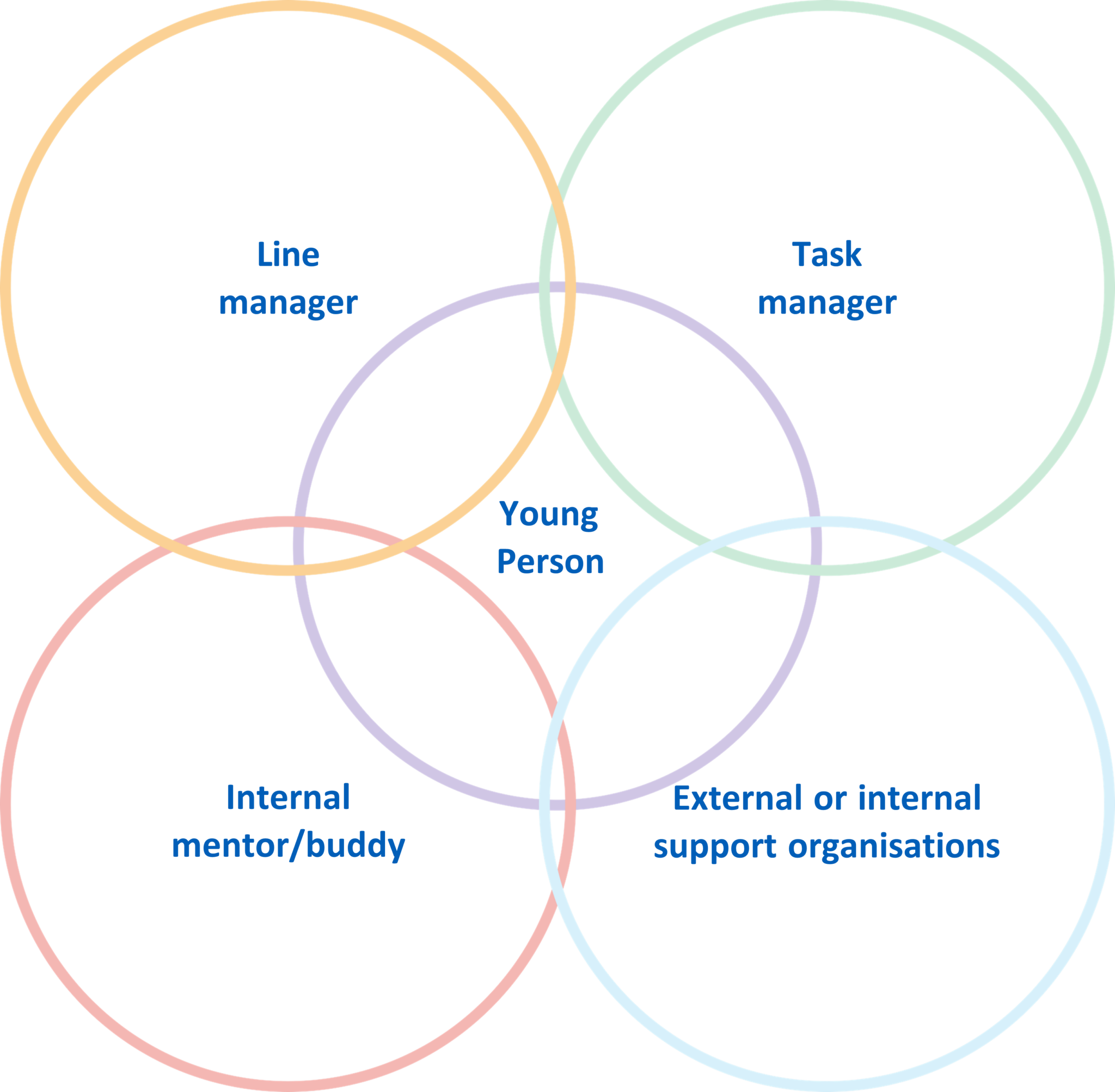
In NHS Birmingham and Solihull ICB, where James began his journey, they’ve developed a regular internal communication network with representatives who can offer assistance and counsel on wellbeing, HR matters, recruitment, and inclusivity efforts.
The conventional NHS recruitment process—structured and often daunting—has been carefully modified. Job advertisements now highlight personal qualities rather than extensive qualifications. Application processes have been redesigned to address the unique challenges care leavers might experience—from missing employment history to having limited internet access.
Perhaps most significantly, the Programme recognizes that entering the workforce can present unique challenges for care leavers who may be handling self-sufficiency without the support of familial aid. Concerns like transportation costs, identification documents, and financial services—taken for granted by many—can become significant barriers.

The brilliance of the Programme lies in its attention to detail—from outlining compensation information to providing transportation assistance until that critical first wage disbursement. Even ostensibly trivial elements like rest periods and office etiquette are carefully explained.
For James, whose career trajectory has “changed” his life, the Programme offered more than employment. It offered him a sense of belonging—that ineffable quality that grows when someone feels valued not despite their history but because their distinct perspective enhances the organization.
“Working for the NHS isn’t just about doctors and nurses,” James comments, his expression revealing the subtle satisfaction of someone who has secured his position. “It’s about a collective of different jobs and roles, a family of people who really connect.”
The NHS Universal Family Programme exemplifies more than an job scheme. It stands as a powerful statement that organizations can change to welcome those who have known different challenges. In doing so, they not only transform individual lives but improve their services through the unique perspectives that care leavers contribute.
As James moves through the hospital, his presence silently testifies that with the right help, care leavers can thrive in environments once deemed unattainable. The embrace that the NHS has provided through this Programme signifies not charity but acknowledgment of untapped potential and the essential fact that all people merit a support system that supports their growth.