

Company Overview
-
Posted Jobs 0
-
Viewed 6
-
Categories Civil Engineering
Company Description
10 Methods To Build Your Planing Machines For Hobbyists Empire
Planning Machines for Hobbyists: A Comprehensive Guide
On the planet of woodworking, planning machines have become vital tools for hobbyists who strive to raise their craft. Whether they are dealing with furniture, cabinets, or ornamental woodcrafts, a planing maker permits users to attain smooth, flat surfaces and uniform thickness on their wood pieces. This article will check out the various types of planing machines fit for hobbyists, their functions, advantages, and how to select the very best one for your workshop needs.
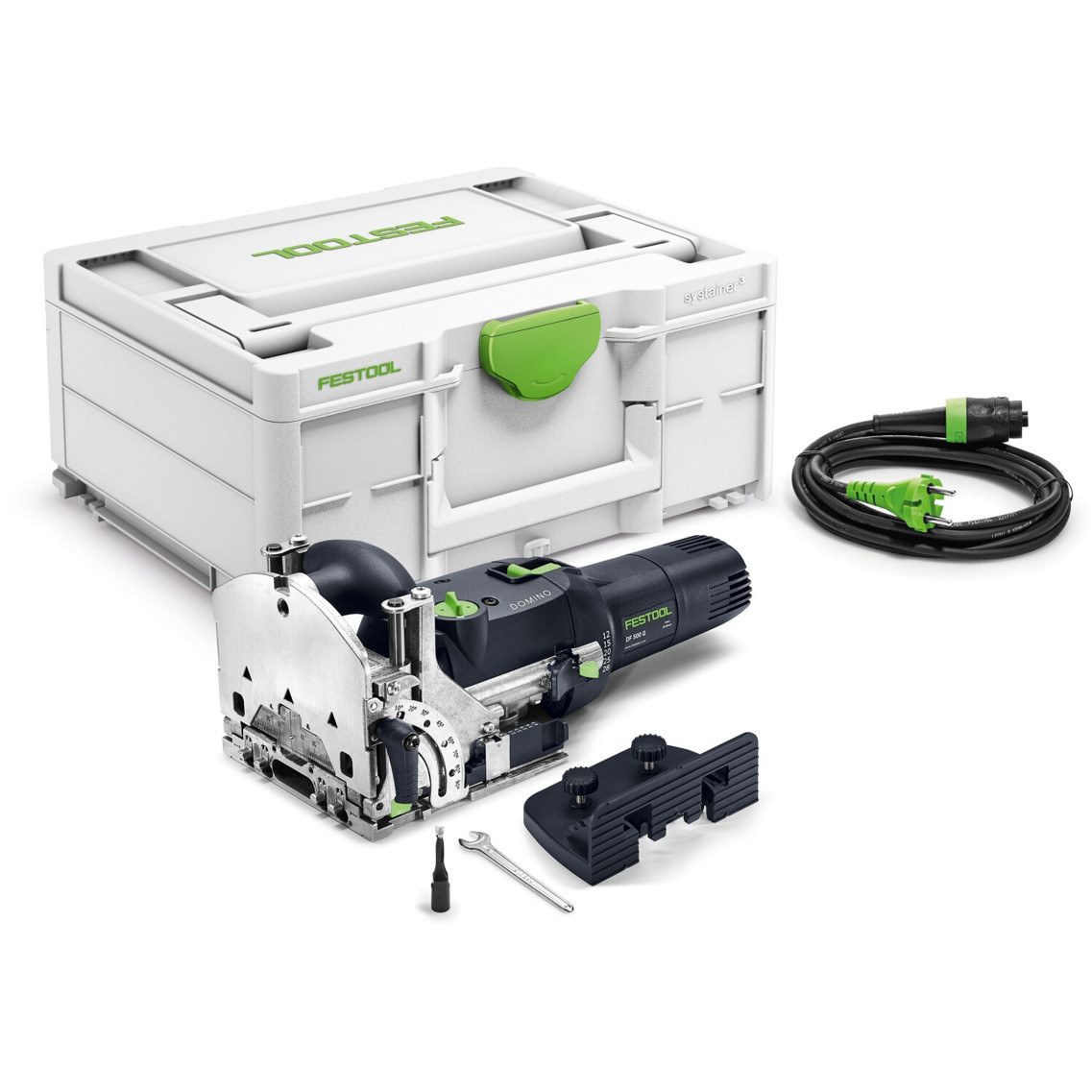
Understanding Planing Machines
Planing machines, likewise referred to as thickness planers or wood planers, are gadgets that slash off thin layers of product from the surface area of wood. This procedure develops a smooth finish, gets rid of imperfections, and lowers the thickness of the wood board to the wanted dimensions.
Types of Planing Machines
When it concerns planing machines ideal for hobbyists, there are mostly 3 types to consider:
| Type | Description | Suitable For |
|---|---|---|
| Bench Planer | Portable, lightweight machines that can easily rest on a workbench. | Hobbyists with minimal space. |
| Floor Planer | Larger, fixed machines developed for durable usage. | Professional setups and bigger projects. |
| Handheld Planer | Compact and Hobelmaschinen Für Möbel easy to use gadgets, often battery-operated. | Small projects and fine information. |
Key Features to Look For
When picking a planing device, hobbyists need to think about numerous features that can improve their woodworking experience. Here’s a list of essential features:
- Cutting Width: This determines the maximum thickness of wood the machine can accommodate.
- Motor Power: A more effective motor typically translates to enhanced efficiency, especially with hardwoods.
- Table Size: A bigger table offers more support and stability during the planing process.
- Dust Collection: A reliable dust collection system helps keep the work area clean and safe.
- Adjustable Depth Settings: Allows for more precision in thickness changes.
- Portability: For hobbyists with limited workshop area, light-weight and portable choices are crucial.
- Price: While prices can vary considerably, it’s crucial to discover a balance in between quality and budget.
Advantages of Using a Planing Machine
Integrating a planing maker into a hobbyist’s toolkit offers many advantages:
- Precision: Achieve a consistent thickness and smooth surface area, which boosts the quality of completed projects.
- Time Efficiency: Speed up the wood preparation procedure, permitting more time for crafting.
- Adaptability: Use on various wood types, enhancing creativity and design alternatives.
- Cost-efficient: Fewer lost materials due to better accuracy and surface area quality.
Top Planing Machines for Hobbyists
Here is a curated list of some of the best planing machines available in the market for hobbyists followed by their specs and features.
| Model | Type | Power | Cutting Width | Weight | Price Range |
|---|---|---|---|---|---|
| Dewalt DW735X | Bench Planer | 15 AMP | 13 inches | 92 lbs | ₤ 600 – ₤ 700 |
| Porter Cable PC60THP | Handheld Planer | 6 AMP | 3.25 inches | 6.5 lbs | ₤ 60 – ₤ 100 |
| Makita 2012NB | Bench Planer | 15 AMP | 12 inches | 79 lbs | ₤ 400 – ₤ 500 |
| Jet JWP-208HH | Flooring Planer | 3 HP | 20 inches | 500 pounds | ₤ 3,000 – ₤ 4,000 |
| Bosch PL2632K | Handheld Planer | 6.5 AMP | 3.2 inches | 6.8 pounds | ₤ 60 – ₤ 120 |
Recommendations for Hobbyists
When picking a planing device, hobbyists must assess their requirements based upon job types, frequency of use, and offered space. Here are some recommendations to think about:
- For Beginners: The Porter Cable PC60THP is affordable and user-friendly, making it an exceptional entry-level alternative.
- For Intermediate Users: The Makita 2012NB offers professional-level quality in a portable size, perfect for small workshops.
- For Advanced Projects: The Jet JWP-208HH is appropriate for hobbyists who invest greatly in larger woodworking projects and need improved efficiency.
Regularly Asked Questions (FAQ)
-
Should I purchase a benchtop or floor planing maker?
- It depends upon your offered area and task requirements. Benchtop planers are more portable, while floor models provide better stability and can manage bigger materials.
-
For how long does the blade last on a planing machine?
- Blade longevity varies based on use and materials. Normally, quality blades can last in between 20 and 50 hours of operation.
-
Can planing machines be used on hardwood?
- Yes, however ensure your maker has a sufficient motor power to deal with the density of hardwoods. Examine the manufacturer’s guidelines for optimal usage.
-
What upkeep is needed for planing machines?
- Frequently inspect and change blades, clean the dust collection system, and guarantee your maker is effectively calibrated. Upkeep directions will differ by design.
-
Is it safe to use a planing maker?
- Yes, however security preventative measures are vital. Always follow the producer’s guidelines, wear appropriate protective gear, and use push sticks when necessary.
Planing machines are valuable properties for hobbyists who desire to refine their woodworking skills. By understanding the types, benefits, and features of planing machines, hobbyists can make informed choices that raise their craft. Whether you’re just starting or are an experienced woodworker, investing in the ideal planing maker can considerably enhance your job quality and overall productivity in the workshop. So embrace the journey of woodworking with a tool that empowers imagination and precision– your perfect planing machine awaits!