

Company Overview
-
Posted Jobs 0
-
Viewed 1
-
Categories Project Management
Company Description
5 Killer Quora Answers On Robot Vacuum Uk
Robot Vacuums in the UK: A Comprehensive Guide to Automated Cleaning
Robot vacuum have actually gradually moved from futuristic gizmos to essential family appliances in the UK. As busy way of lives become the standard, the allure of automated cleaning has grown, making robot vacuums a popular choice for preserving tidy homes with very little effort. But with a vast range of designs and functions available, navigating the robot vacuum market in the UK can feel overwhelming. This comprehensive guide intends to debunk the world of robot vacuums, providing you with the understanding needed to pick the best cleaning companion for your home.
The Rise of Robotic Cleaning in UK Homes
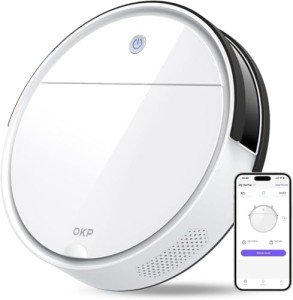
The UK has actually accepted technological developments in home cleaning, and robot vacuums are a prime example. They use a compelling service to the seasonal challenge of home tasks, maximizing valuable time and energy. No longer are vacuums large, cumbersome machines to be dragged around the home. Robot vacuums, with their compact designs and smart navigation, effortlessly glide throughout floors, drawing up dust, particles, and pet hair, often while you are at work or relaxing.
Why Choose a Robot Vacuum? The Benefits
The appeal of robot vacuum lies in their many advantages. For UK homes, they offer a particularly compelling set of advantages:
- Convenience: The most considerable advantage is certainly convenience. Robot vacuums operate autonomously, permitting you to set up cleaning sessions whether you are home or not. Imagine coming home to newly vacuumed floorings every day without raising a finger.
- Time Savings: Vacuuming can be a time-consuming chore, particularly in bigger homes or those with family pets. Robot vacuums recover this time, allowing you to focus on more enjoyable or productive activities.
- Consistent Cleaning: Robot vacuums can be set to tidy routinely, guaranteeing a consistent level of cleanliness in your home. This is particularly advantageous for allergy patients, as frequent vacuuming minimizes dust and allergens.
- Availability: Robot vacuums can reach under furniture and into tight areas that are typically difficult to access with conventional vacuums, ensuring a more comprehensive tidy.
- Pet Hair Management: Pet owners in the UK know the everyday battle against pet hair. Numerous robot vacuums are particularly designed to take on pet hair successfully, including effective suction and tangle-free brush rolls.
- Smart Home Integration: Many contemporary robot vacuums offer smart home combination, enabling you to control them via smartphone apps or voice assistants like Amazon Alexa or Google Assistant.
- Decreased Physical Strain: For people with mobility issues or back problems, robot vacuums get rid of the physical stress of pressing and pulling a traditional vacuum cleaner.
Types of Robot Vacuums Available in the UK
The UK market uses a varied series of robot vacuum types, each with its own strengths and weak points:
- Basic Robot Vacuums: These are entry-level models concentrated on basic cleaning functionalities. They normally include random navigation patterns and might do not have innovative features like mapping or mobile phone control. They are frequently more affordable and suitable for smaller homes or basic cleaning requirements.
- Mapping Robot Vacuums: These designs make use of sophisticated mapping technology, such as LiDAR or camera-based systems, to create a comprehensive map of your home. This enables more efficient cleaning patterns, room-specific cleaning, and virtual boundaries.
- Robot Vacuum Mops: Many robot vacuums now incorporate mopping performance. These 2-in-1 devices can vacuum and mop difficult floorings in a single pass, providing extensive floor cleaning. Some designs include separate water tanks and mopping pads, while others utilize wet fabrics connected to the vacuum.
- Self-Emptying Robot Vacuums: For ultimate benefit, self-emptying robot vacuums instantly clear their dustbins into a larger container in the charging base. This considerably lowers the frequency of manual dustbin clearing, making them perfect for hectic households or those with animals.
- Specialized Robot Vacuums: Some robot vacuums are developed for particular requirements, such as those with boosted pet hair suction, designs optimized for deep carpet cleaning, or ultra-slim styles for reaching under low furnishings.
Key Features to Consider When Choosing a Robot Vacuum in the UK
Choosing the ideal robot vacuum requires careful consideration of your specific needs and home environment. Here are crucial functions to evaluate:
- Suction Power: Measured in Pascals (Pa), suction power determines the efficiency of the vacuum in choosing up dirt and debris. Higher suction power is usually much better, particularly for homes with carpets or animals. Look for designs with at least 2000 Pa for decent cleaning on numerous floor types.
- Battery Life & & Coverage: Battery life determines how long the robot vacuum can clean up on a single charge. Think about the size of your home and pick a model with sufficient battery capacity to cover the whole area. Look for run times of a minimum of 90 minutes for medium-sized homes, and longer for larger spaces.
- Navigation System: Navigation systems identify how efficiently the robot vacuum cleans up and prevents challenges.
- Random Navigation: Basic designs utilize random patterns and bump navigation, which can be less effective and might miss out on areas.
- Methodical Navigation: Mapping-based designs use organized patterns (e.g., row-by-row, grid-based) for more comprehensive and effective cleaning.
- Mapping Capabilities: If you prefer room-specific cleaning, virtual limits, and efficient cleaning courses, select a robot vacuum with mapping innovation (LiDAR or camera-based).
- Smart Features & & App Control: Many robot vacuums offer smart device app control, allowing you to set up cleaning, monitor development, change settings, and receive notifications remotely. Smart home integration with voice assistants is likewise a preferable function for many UK households.
- Dustbin Capacity: A larger dustbin capability indicates less regular emptying. Consider your cleaning frequency and the amount of dirt and particles your home generally accumulates. Self-emptying designs eliminate this issue completely.
- Brush Roll Design: The brush roll is important for choosing up dirt and hair. Look for tangle-free brush rolls, particularly if you have pets or long hair, to reduce maintenance.
- Mop Functionality (if preferred): If you require mopping functionality, evaluate the mopping system used. Think about water tank capability, mopping pad type, and whether the robot vacuum can separate between carpet and tough floors during mopping.
- Sound Level: Robot vacuums vary in noise levels. If quiet operation is very important to you, examine the decibel score of the design.
- Cost & & Budget: Robot vacuum costs range substantially, from budget-friendly standard models to exceptional self-emptying and feature-rich gadgets. Determine your budget and prioritize features that are essential to you.
Popular Robot Vacuum Brands and Models in the UK
The UK robot vacuum market is populated by both developed and emerging brands. Some popular and well-regarded brand names include:
- iRobot: Known for their Roomba series, iRobot provides a vast array of designs from basic to high-end, understood for their trustworthy cleaning and smart navigation.
- Eufy (by Anker): Eufy uses excellent value for cash, supplying a variety of robot vacuums with great efficiency and functions at competitive prices.
- Shark: Shark robot vacuums are gaining popularity in the UK, known for their effective suction, anti-hair wrap innovation, and competitive rates.
- Roborock: Roborock is a prominent brand in robot vacuum innovation, understood for their advanced mapping, strong suction, and ingenious functions, especially in their mopping abilities.
- Neato: Neato robot vacuums are identified by their D-shape design, which enables them to clean closer to corners and edges, and are understood for their powerful cleaning efficiency.
- Dyson: Dyson, a family name in vacuum cleaners, also uses high-end robot vacuum models, understood for their powerful suction and advanced technology.
Maintenance Tips for Your Robot Vacuum
To guarantee your Robot vacuum uk vacuum continues to perform optimally and last for many years to come, regular upkeep is necessary:
- Empty the dustbin frequently: Empty the dustbin after each cleaning cycle or as needed, depending upon the design and your cleaning frequency.
- Tidy the brush roll: Remove hair and debris tangled around the brush roll regularly to maintain reliable cleaning.
- Tidy the filters: Clean or replace the filters according to the maker’s suggestions to maintain suction power and air quality.
- Wipe sensors and charging contacts: Keep sensors and charging contacts tidy for proper navigation and charging.
- Change brushes and other parts as needed: Replace brushes and other wear-and-tear parts as advised by the manufacturer to maintain optimal efficiency.
Conclusion: Embracing the Convenience of Robot Vacuum Cleaning
Robot vacuums have revolutionized home cleaning in the UK, using exceptional benefit and maximizing important time. By understanding the various types, essential features, and offered brands, you can make an informed decision and choose the perfect robot vacuum to fit your needs and budget. Purchasing a robot vacuum is an investment in a cleaner home and a more unwinded lifestyle. Accept the future of cleaning and experience the joy of easily kept floorings.
Often Asked Questions (FAQs) about Robot Vacuums in the UK
Q: Are robot vacuums effective on carpets?A: Yes, lots of robot vacuums are effective on carpets, particularly those with strong suction and specialized brush rolls. Models created for carpets frequently include more powerful suction modes and deeper cleaning capabilities. However, for really thick or high-pile carpets, a conventional upright vacuum may still be needed for deep cleaning occasionally.
Q: How long do robot vacuum batteries last?A: Battery life differs depending upon the model, however generally ranges from 60 to 150 minutes on a single charge. Higher-end models frequently have longer battery life and can recharge and resume cleaning if needed.
Q: Can robot vacuums deal with pet hair?A: Yes, many robot vacuums are particularly created for pet hair elimination. Try to find models with strong suction, tangle-free brush rolls, and HEPA filters to effectively manage pet hair and allergens.
Q: Do robot vacuums deal with all floor types?A: Most robot vacuums work well on wood, tile, laminate, and low-pile carpets. Some models are much better suited for particular floor types, so consider your home’s flooring when selecting a model. For high-pile carpets or delicate floorings, inspect the producer’s recommendations.
Q: Are robot vacuums hard to establish and utilize?A: No, robot vacuums are generally easy to establish and use. Many models come with easy guidelines and user-friendly app interfaces. Preliminary setup typically involves charging the device, connecting to Wi-Fi (for smart designs), and letting it map your home.
Q: How much do robot vacuums expense in the UK?A: Robot vacuum prices in the UK range from around ₤ 100 for standard designs to over ₤ 1000 for high-end, feature-rich devices. Costs depend on functions, brand, and functionality.
Q: Can robot vacuums climb stairs?A: No, a lot of robot vacuums are not designed to climb up stairs. If you have several floorings, you will require a different robot vacuum for each floor, or manually move the vacuum in between floorings.
Q: Do robot vacuums require Wi-Fi?A: Wi-Fi is needed for smart functions like app control, scheduling, and voice assistant integration. Fundamental robot vacuums without smart features do not need Wi-Fi and can be operated by means of buttons on the device.
Q: What is the common life expectancy of a robot vacuum?A: With proper upkeep, a robot vacuum can last for numerous years, normally 3-5 years or longer. Battery life may degrade in time and might need replacement after a couple of years, depending upon usage frequency.